
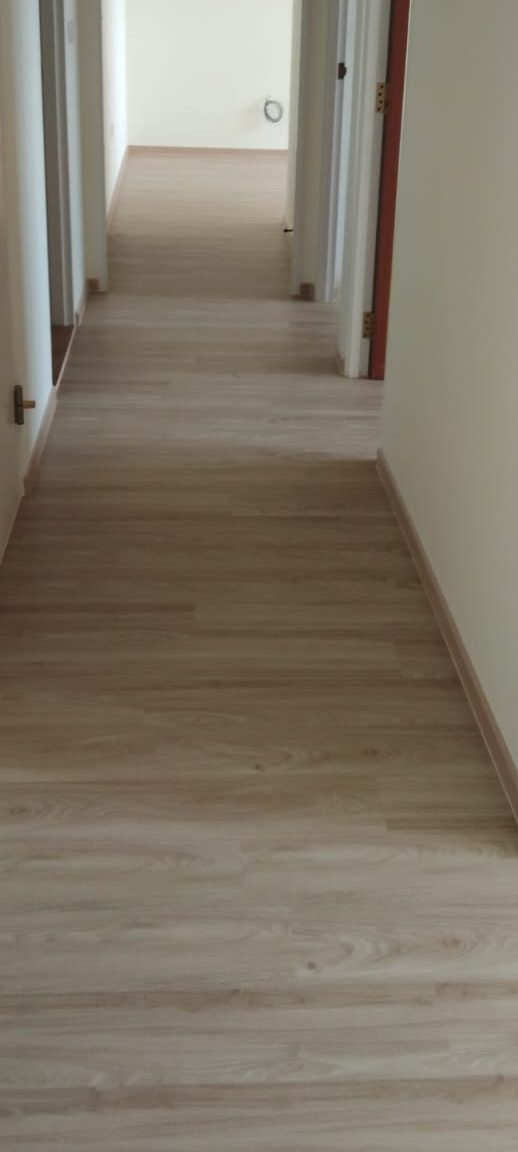
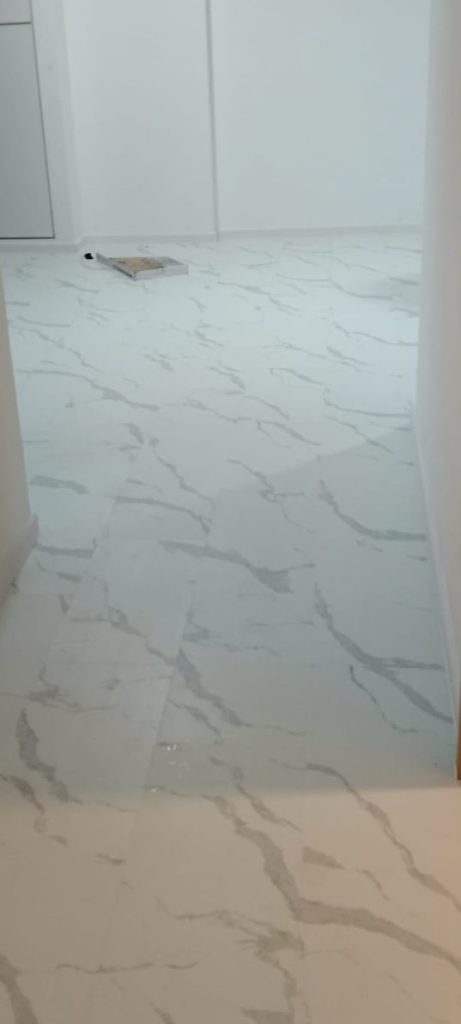
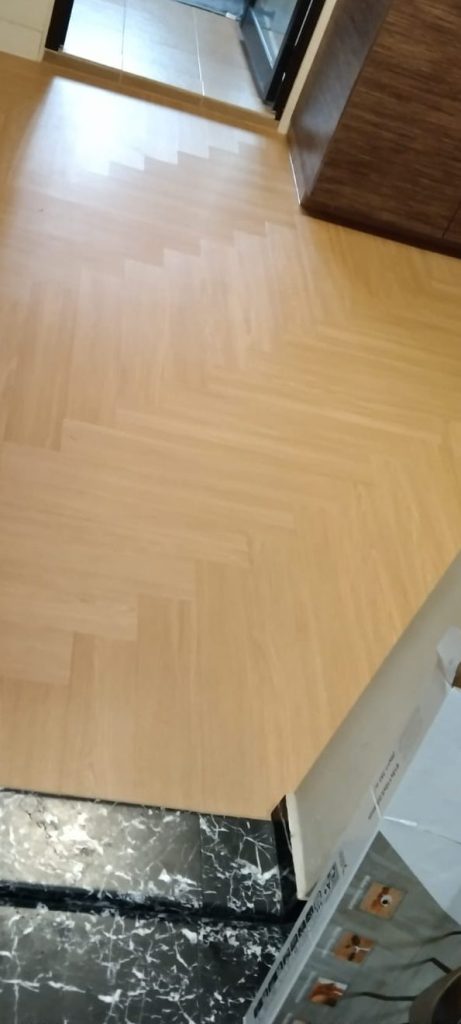
Vinyl flooring has become one of the fastest-growing flooring solutions worldwide, with the market expected to surpass USD 56 billion by 2025. This popularity is driven by its remarkable durability, water resistance, and stylish versatility. Homeowners love vinyl for its beautiful appearance and practicality, but what makes it so strong often lies hidden beneath the surface – the layers. Each layer plays a crucial role in the flooring’s performance, comfort, and long-term durability.
Understanding these layers is key to choosing a high-quality product that not only looks great but also stands the test of time. A well-constructed vinyl plank will resist scratches, withstand heavy foot traffic, and handle Singapore’s humid climate with ease. Making an informed decision means you can invest confidently in a floor that meets your household’s specific needs, whether that’s for a busy kitchen, a quiet bedroom, or a moisture-prone bathroom.
Ready to upgrade your home with long-lasting, premium vinyl flooring? As Singapore’s trusted vinyl flooring installer, Everyday Renovation delivers expert workmanship and top-grade materials. Let’s explore the layers of vinyl flooring so you can make the best choice for your space.
What Is Vinyl Flooring?
Vinyl flooring is a synthetic flooring material made primarily from polyvinyl chloride (PVC). Its history dates back to the 1930s, but modern advancements have transformed it into a sophisticated and high-performing option for homes and commercial spaces alike. Early versions were simple sheets of PVC, but today’s vinyl flooring is a complex, multi-layered product designed for superior performance and aesthetic appeal.
Its popularity in contemporary design stems from its ability to convincingly mimic natural materials like hardwood, stone, and marble without the associated cost or maintenance. It’s durable, waterproof, and comfortable underfoot, making it a practical choice for nearly any room.
There are several main types of vinyl flooring available today:
- Luxury Vinyl Tile (LVT): LVT comes in tile or plank formats and is known for its realistic designs and high durability. It’s a popular choice for both residential and commercial applications.
- Stone Plastic Composite (SPC): SPC vinyl has a rigid core made from a blend of natural limestone powder, polyvinyl chloride, and stabilizers. This makes it incredibly dense, durable, and stable against temperature changes.
- Wood-Plastic Composite (WPC): WPC vinyl features a core made from recycled wood pulp and plastic. It is softer and more comfortable underfoot than SPC, and it offers better sound insulation.
- Sheet Vinyl: This type comes in large, flexible sheets and is often the most budget-friendly option. It is completely impermeable to water, making it a great choice for bathrooms and laundry rooms.
What are the Core Layers of Vinyl Flooring?: A Detailed Breakdown
Modern vinyl flooring is an engineered product, with each layer serving a specific function. Together, these layers create a durable, stable, and attractive flooring solution. Let’s break down each component.
The UV Coating Layer
At the very top is a clear, UV-cured urethane coating. This layer is the first line of defense, protecting the underlying layers from the damaging effects of sunlight. Without a UV coating, the decorative film could fade or yellow over time, especially in rooms with large windows. This layer also adds an extra level of stain resistance, making it easier to clean up spills and messes.
The Wear Layer
Directly beneath the UV coating is the wear layer. This transparent topcoat is arguably the most important layer for determining the flooring’s durability. It protects the printed design from scratches, scuffs, and stains caused by daily foot traffic, furniture, and pets.
Wear layers are measured in mils (one-thousandth of an inch). The thickness options typically range from 6 mil to 30 mil.
- 6-10mil: Suitable for light-traffic areas like bedrooms or closets.
- 12-20mil: The ideal range for most residential applications, including living rooms, kitchens, and hallways. This thickness offers a good balance of durability and cost.
- 20-30mil+: Recommended for high-traffic commercial spaces like offices, retail stores, and restaurants.
The Decorative Film Layer
This is the layer that gives vinyl its beautiful appearance. A high-definition decorative film is printed with a design that mimics natural materials like wood, stone, or ceramic tile. The quality of this printed layer is what separates premium vinyl from budget options. Advanced printing technologies create incredibly realistic textures and patterns, making it difficult to distinguish from the real thing. A high-quality design not only looks better but can also enhance your home’s resale value.
The Core Layer
The core is the backbone of the vinyl plank, providing stability, structure, and water resistance. There are three main types of cores:
- PVC Core: Found in traditional LVT and sheet vinyl, a PVC core is flexible and durable. However, it can be more susceptible to showing subfloor imperfections.
- SPC (Stone Plastic Composite) Core: This core is made from a dense mixture of limestone and stabilizers. SPC cores are extremely rigid and dimensionally stable, meaning they won’t expand or contract with temperature fluctuations. Their density makes them highly resistant to dents and impacts. They are also 100% waterproof.
- WPC (Wood Plastic Composite) Core: A WPC core blends wood pulp with plastic composites, creating a thicker, softer, and lighter plank than SPC. This makes WPC flooring more comfortable underfoot and provides better sound insulation. Like SPC, WPC is also fully waterproof.
The Underlayment Layer
The bottom layer is the underlayment, or backing. Some vinyl planks come with a pre-attached underlayment made from materials like cork, EVA foam, or IXPE foam. This attached layer provides several benefits:
- Noise Reduction: It absorbs sound, reducing footfall noise and making the room quieter.
- Comfort: It adds a layer of cushioning, making the floor more comfortable to stand or walk on.
- Moisture Resistance: It acts as a moisture barrier, protecting the plank and subfloor from water damage.
If a vinyl plank doesn’t have an attached underlayment, a separate one can be installed. A built-in underlay is often recommended for convenience and to ensure compatibility with the flooring.
Why Understanding Vinyl Flooring Layers Matters
At first glance, two different vinyl planks might look identical, but their performance can vary dramatically. The difference lies in their construction. Understanding the layers of vinyl flooring allows you to move beyond surface-level aesthetics and assess the true quality of a product.
Knowing what’s inside helps you:
- Compare Product Quality: By examining the thickness of the wear layer, the type of core, and the presence of an underlayment, you can make a more accurate comparison between different brands and products.
- Match Performance to Your Needs: A busy family home with kids and pets requires a thicker wear layer to resist scratches. A quiet bedroom might prioritize a WPC core for added comfort and sound absorption. Understanding the layers ensures you choose a floor that fits your lifestyle.
- Predict Durability and Lifespan: The composition of the layers directly influences how long your floor will last. A high-quality core and a robust wear layer will prevent warping, dents, and fading, ensuring your investment endures for years.
How These Layers Work Together in Harmony
The synergy between these layers creates a flooring product that excels in multiple areas:
- Impact Resistance: The rigid SPC or resilient WPC core absorbs the force of dropped objects, while the wear layer protects the surface from dents and scratches.
- Comfort and Sound Absorption: The combination of the WPC core and the underlayment layer provides significant cushioning and noise reduction.
- Waterproof Capabilities: The waterproof core (SPC or WPC) and the protective top layers ensure that no moisture can penetrate the plank, making it ideal for wet areas.
- Dimensional Stability: In a tropical climate like Singapore’s, where humidity and temperature can fluctuate, the stability of an SPC core is particularly valuable. It prevents the planks from warping or gapping.
Thickness Matters: Wear Layer vs. Plank Thickness
When choosing vinyl flooring, it’s easy to get confused between total plank thickness and wear layer thickness. Both are important, but for different reasons.
- Total Thickness: This is the overall thickness of the plank, usually measured in millimeters (mm). Common options include 4mm, 5mm, and 6mm+. A thicker plank generally offers better sound insulation and can feel more substantial underfoot. It may also be better at masking minor subfloor imperfections.
- Wear Layer Thickness: As discussed, this is measured in mils and is the key indicator of durability.
A thick plank with a thin wear layer might feel comfortable, but it will scratch easily. Conversely, a thinner plank with a thick wear layer will be very durable but may offer less sound insulation. For most homes in Singapore (HDBs, condos, and landed properties), a plank with a total thickness of 5-6mm and a wear layer of 12-20mil offers an excellent balance of comfort and durability.
Comparing SPC vs. WPC vs. LVT Layers
| Feature | SPC (Stone Plastic Composite) | WPC (Wood Plastic Composite) | LVT (Luxury Vinyl Tile) |
| Core Layer | Rigid, dense limestone composite | Softer, lighter wood-plastic composite | Flexible PVC |
| Durability | Highest; extremely dent-resistant | High; more prone to dents than SPC | Good; can show subfloor imperfections |
| Comfort | Firmer underfoot | Softer and more cushioned | Flexible comfort depends on the subfloor |
| Sound | Less sound insulation | Excellent sound insulation | Moderate sound insulation |
| Stability | Highest; very stable in all climates | Very stable, but less than SPC | Good; can expand/contract |
| Best For | Kitchens, commercial spaces, high-traffic areas | Bedrooms, living rooms, basements | Areas with perfectly level subfloors |
In Singapore’s humid climate, the superior dimensional stability of SPC makes it an exceptionally reliable choice.
Installation Considerations Based on Layer Structure
The structure of vinyl flooring also influences its installation method.
- Click-Lock System: Most rigid core (SPC and WPC) planks feature a click-lock or floating installation system. The planks interlock without the need for adhesive, making installation quick and clean.
- Glue-Down Method: Traditional LVT and sheet vinyl are often installed using an adhesive. This method creates a very stable floor and is often preferred for large commercial areas.
Regardless of the method, the subfloor must be clean, dry, and level. Rigid core vinyl is more forgiving of minor subfloor imperfections, while flexible LVT requires a perfectly smooth surface.
Debunking Common Myths About Vinyl Layers
- Myth: “Thicker always means better.” Reality: The wear layer thickness is more crucial for durability than the total plank thickness. Prioritize a robust wear layer for high-traffic zones.
- Myth: “All wear layers perform the same.” Reality: Not all wear layers are created equal. In addition to thickness, look for those enhanced with ceramic bead or aluminum oxide for superior scratch resistance.
- Myth: “Vinyl can’t look premium.” Reality: High-definition printing technology has enabled vinyl to replicate the look and feel of natural materials with stunning realism. A quality decorative layer can elevate any space.
Your Guide to Choosing High-Quality Vinyl Flooring
When shopping for vinyl flooring, keep these tips in mind:
- Examine the Wear Layer: For residential use, aim for at least a 12mil wear layer. For commercial or very high-traffic areas, choose 20mil or more.
- Check Certifications: Look for certifications like FloorScore®, which ensures low volatile organic compound (VOC) emissions for better indoor air quality.
- Assess Supplier Reputation: Choose a reputable supplier with positive customer reviews and a solid track record. An experienced installer is just as important as a quality product.
Why Everyday Renovation Delivers Superior Vinyl Flooring
At Everyday Renovation, we understand that a beautiful floor starts with quality materials and expert installation. We offer premium multilayer vinyl flooring systems designed to withstand the demands of modern life in Singapore. Our team of experienced installers ensures that every plank is laid with precision, guaranteeing a flawless finish and long-lasting performance.
We stand behind our work with comprehensive warranties and dedicated after-service support, giving you complete peace of mind. Our countless satisfied customers are a testament to our commitment to excellence.
Ready to upgrade your home with premium, long-lasting vinyl flooring? Everyday Renovation provides Singapore’s best vinyl flooring installation, expert craftsmanship, and top-quality materials. Transform your space with flooring built to last—contact us today!
Frequently Asked Questions
What are the layers of vinyl flooring?
Vinyl flooring typically includes a UV coating, wear layer, decorative film, core layer (SPC/WPC/PVC), and an underlayment. Each layer contributes to durability, design, comfort, and waterproof performance.
What does the wear layer do in vinyl flooring?
The wear layer protects the surface from scratches, stains, and wear. A thicker wear layer increases durability, making the flooring suitable for high-traffic areas.
What is the difference between SPC and WPC vinyl flooring?
SPC has a rigid stone-plastic core, offering superior durability and stability. WPC has a wood polymer core, making it softer and more comfortable underfoot.
Is thicker vinyl flooring better?
Thickness helps with sound absorption and comfort, but the wear layer is more important for durability. Choose based on traffic levels and desired comfort.
What is the purpose of the underlayment layer?
The underlayment provides noise reduction, cushioning, and moisture resistance. Some vinyl planks include built-in underlay for convenience.
Is vinyl flooring waterproof?
Yes, SPC and WPC vinyl flooring are fully waterproof. Their multilayer structure prevents swelling, making them ideal for kitchens and bathrooms.
How long does vinyl flooring typically last?
High-quality vinyl flooring can last 10–20 years, depending on wear-layer thickness, installation quality, and daily usage.
Does the decorative layer fade over time?
The UV coating helps prevent fading, but prolonged sun exposure may still cause slight discoloration. Curtains or blinds help extend life.
Can vinyl flooring be installed over tiles?
Yes, vinyl can be installed over existing tiles if the subfloor is level and stable. Rigid core vinyl works best for this.
What thickness of wear layer is best for homes?
For residential use, a 12mil–20mil wear layer is ideal. Higher thicknesses are recommended for heavy-traffic or commercial spaces.