
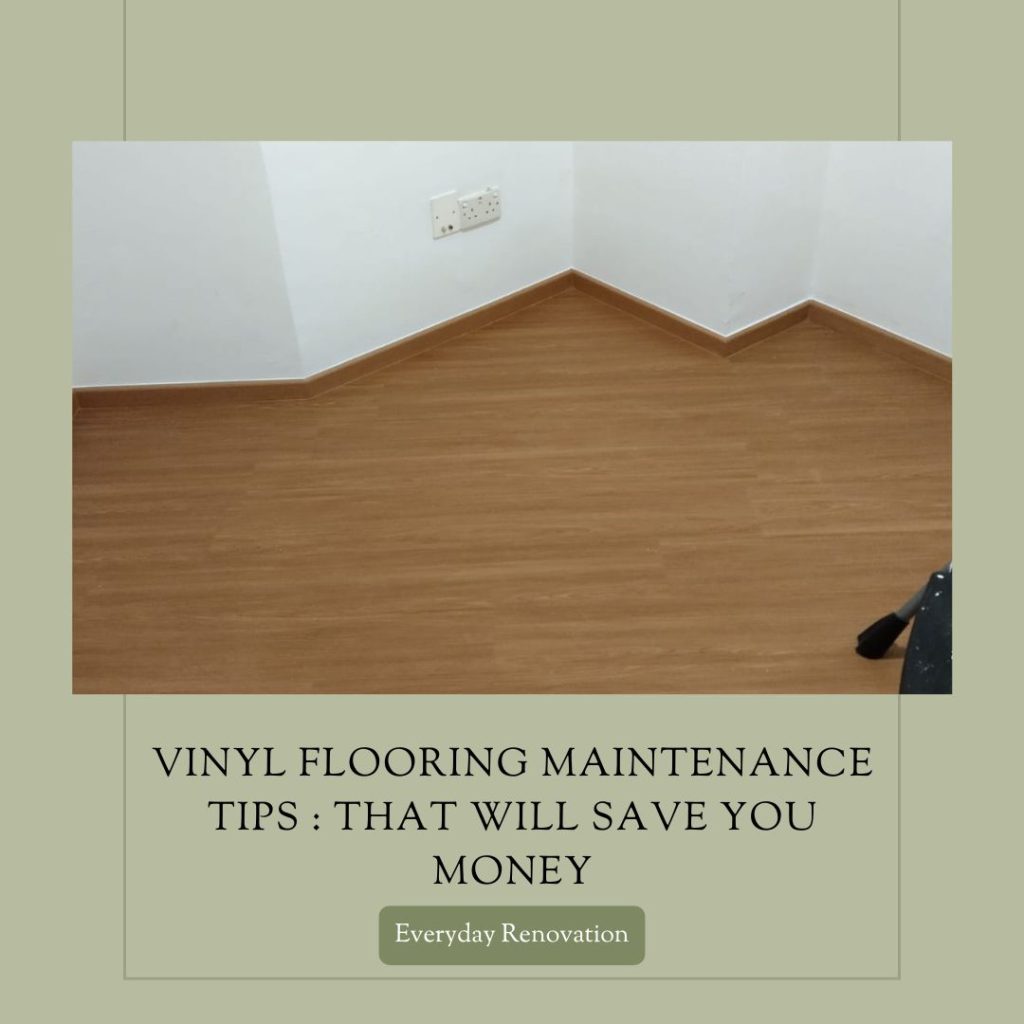
Vinyl flooring is a fantastic choice for modern homes, prized for its durability and stylish appearance. In fact, the global luxury vinyl tile (LVT) market is projected to grow to over $30 billion by 2028, a testament to its soaring popularity. But even the toughest floors need a little TLC to stay in top condition.
Are you ready to discover the secrets to keeping your vinyl floors looking brand new for years to come? Imagine having a floor that resists daily wear and tear, stays vibrant, and impresses guests every time they walk through your door. With the right maintenance routine, this isn’t just a dream—it’s your reality. This guide will provide you with the essential tips and techniques to master vinyl floor care, ensuring your investment remains as beautiful as the day it was installed.
Understanding Your Vinyl Flooring
Before diving into maintenance, it helps to understand what vinyl flooring is. It’s a synthetic material made from several layers sandwiched together to form a highly durable, practical, and affordable floor covering. The primary component is polyvinyl chloride (PVC), which gives vinyl its name.
The typical layers of vinyl flooring include:
- Wear Layer: This is the topmost layer, designed to resist scratches, scuffs, and stains. The thickness of the wear layer is a key indicator of the floor’s durability, and protecting it is the main goal of any maintenance plan.
- Print Layer: This layer features the high-resolution image that gives the vinyl its look, whether it’s mimicking wood, stone, or a unique pattern.
- Core Layer: This is the main structure of the plank or tile. It provides stability and water resistance. There are several types of cores, including WPC (Wood Plastic Composite) and SPC (Stone Plastic Composite), each offering different levels of rigidity and comfort.
- Backing Layer: The bottom layer provides additional support and sound absorption.
Understanding this composition helps explain why specific cleaning methods and products are recommended. The goal is to protect the wear layer and preserve the integrity of the core.
Vinyl Flooring Maintenance Tips: Daily and Weekly Cleaning Routines
Consistent care is the cornerstone of keeping your vinyl floors in pristine condition. A simple daily and weekly cleaning schedule can prevent the buildup of dirt and grime that can damage the floor’s surface over time.
Daily Maintenance: The Quick Sweep
Your daily routine should be quick and easy. The primary goal is to remove loose dirt, dust, and debris that gets tracked into your home, which can act like sandpaper underfoot.
- Sweep or Dust Mop: Use a soft-bristle broom or a microfiber dust mop to go over your floors each day. Microfiber is particularly effective at trapping fine dust particles, hair, and pet dander without scratching the surface.
- Wipe Spills Immediately: Accidents happen. To prevent stains from forming, it’s essential to wipe up any spills as quickly as possible with a clean, dry cloth or paper towel. For sticky spills, use a damp cloth. Preventing liquids from sitting on the floor helps avoid potential staining and protects the seams between planks.
Weekly Cleaning: A Deeper Clean
Once a week, give your floors a more thorough cleaning to remove any grime that daily sweeping might miss.
- Vacuum First: Start by vacuuming the floor to pick up all loose debris. Use a vacuum cleaner with a hard floor setting or one without a beater bar (the rotating brush). A beater bar can be too abrasive and may scratch or dull your vinyl’s finish.
- Mop with the Right Solution: Mix a gentle, pH-neutral cleaner with warm water. A simple solution of one cup of apple cider vinegar per gallon of warm water is a popular and effective homemade option. Avoid harsh chemicals, ammonia-based cleaners, or abrasive detergents, as these can strip the floor’s protective finish.
- Use a Microfiber Mop: A microfiber mop is the best tool for the job. It cleans effectively without oversaturating the floor. Wring the mop out thoroughly so it is damp, not soaking wet. Excessive water can seep into the seams of the flooring, potentially damaging the core and subfloor over time.
- Rinse if Necessary: If you use a cleaning solution other than vinegar and water, it’s a good idea to go over the floor one more time with a mop dampened with clean water. This removes any soapy residue that could leave a dull film.
How to Remove Common Stains from Vinyl Floors
Even with regular cleaning, stains can happen. The key is to treat them quickly with the appropriate method. Here’s how to tackle some of the most common types of stains on vinyl flooring.
Food and Drink Stains
For stains from things like juice, wine, ketchup, or coffee:
- Make a paste of baking soda and water.
- Apply the paste to the stain and gently rub it with a soft cloth.
- Wipe the area clean with a damp cloth to remove the paste and the stain.
- Dry the spot thoroughly.
Scuff Marks from Shoes
Scuff marks are common in high-traffic areas.
- Pencil Eraser: Often, a simple pencil eraser can rub the scuff mark away.
- Tennis Ball: For larger scuffs, try rubbing a clean tennis ball over the mark. Its texture is abrasive enough to lift the scuff without damaging the floor.
- Specialized Oils: For stubborn marks, apply a small amount of WD-40 or jojoba oil to a soft cloth and rub the area gently. Be sure to clean the spot afterward with a water-and-vinegar solution to remove any oily residue, which can be slippery.
Ink, Crayon, or Hair Dye Stains
These can be trickier, but they are often removable.
- Dampen a clean, white cloth with isopropyl alcohol (rubbing alcohol).
- Gently rub the stain from the outside in to avoid spreading it.
- Continue until the stain is lifted, switching to a clean part of the cloth as needed.
- Rinse the area with a damp cloth and dry it completely.
Long-Term Maintenance: Protecting Your Investment
Beyond daily and weekly cleaning, a few long-term strategies will help preserve the beauty and durability of your vinyl floors for years to come.
Use Protective Pads on Furniture
Place felt or other protective pads under the legs of all furniture, including chairs, tables, and sofas. This is one of the most effective ways to prevent scratches and gouges. Check the pads periodically and replace them when they become worn or embedded with grit.
Avoid Rubber Backings
Be cautious with rubber. The backing on some rugs and mats contains chemicals that can cause a chemical reaction with vinyl, leading to permanent yellow discoloration. Look for mats and rugs labeled “colorfast” or with a non-staining backing made of vinyl or woven materials.
Place Doormats at Entrances
Place high-quality doormats at all exterior entrances. This simple step can dramatically reduce the amount of dirt, grit, and moisture tracked onto your vinyl floors. A good mat traps debris before it has a chance to scratch or soil your flooring.
Manage Sunlight Exposure
While modern vinyl flooring is quite resilient, prolonged exposure to direct, intense sunlight can cause the colors to fade over time. Use curtains, blinds, or UV-protective window film to shield your floors during the peak sun hours of the day.
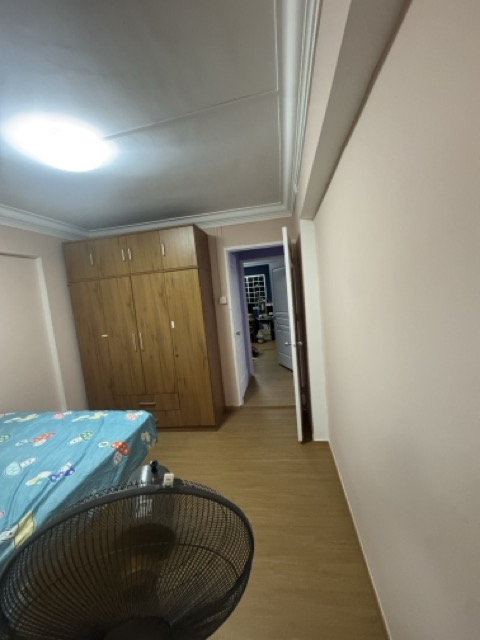

Common Mistakes: What to Avoid When Cleaning Vinyl
Knowing what not to do is just as important as knowing what to do. Here are some common mistakes to avoid:
- Never use abrasive cleaners or scrubbing tools. This includes things like steel wool, powdered cleaners, or highly abrasive sponges. They will scratch and permanently dull the finish.
- Don’t use “mop and shine” products. These products can leave a film on your floor that builds up over time, attracts more dirt, and is difficult to remove.
- Avoid ammonia-based or wax-based cleaners. These can damage the protective wear layer and leave a dull residue. Vinyl’s factory finish does not require waxing.
- Do not use a steam cleaner. The high heat and moisture from a steam mop can penetrate the seams of the planks, damaging the adhesive and causing them to warp, peel, or buckle.
- Don’t leave spills to sit. Clean up messes immediately to prevent stains and moisture damage.
Preserve Your Floors with Professional Care
Proper maintenance is the key to keeping your vinyl floors looking their best. By following a consistent cleaning routine, using the right products, and taking preventive measures, you can easily protect your investment and enjoy beautiful, durable floors for many years.
If you’re in Singapore and looking for the best vinyl flooring options or expert installation, trust the professionals at Everyday Renovation. Our team can help you choose the perfect flooring for your space and ensure it’s installed flawlessly for lasting beauty and performance. Contact Everyday Renovation today to start your flooring journey!
Frequently Asked Questions (FAQs)
How do I make my vinyl floors shine without wax?
To restore shine, first ensure the floor is thoroughly clean. Mop with a solution of water and vinegar, then rinse with clean water. You can also use a commercial polish specifically designed for vinyl floors. Always follow the manufacturer’s instructions and test in an inconspicuous area first.
Can you use a steam mop on vinyl plank flooring?
No, it is not recommended to use a steam mop on any type of vinyl flooring. The intense heat and moisture can damage the adhesive, cause the layers to separate, and lead to warping or buckling of the planks, voiding your warranty.
How do you get deep dirt out of vinyl flooring?
For textured vinyl or deep-set dirt, use a soft nylon-bristle brush and a pH-neutral cleaner. Gently scrub the affected area in a circular motion, then mop with clean water to rinse away the loosened dirt and cleaning solution.
What is the best homemade cleaner for vinyl floors?
A mixture of one cup of apple cider vinegar (or white vinegar) and one gallon of warm water is an excellent homemade cleaner. It’s effective at cutting through grime without leaving a residue. For extra cleaning power, you can add a few drops of mild dish soap.
Can you put heavy furniture on vinyl plank flooring?
Yes, but always use furniture pads under the legs to distribute the weight and prevent indentations or scratches. For very heavy items like pianos or refrigerators, use larger, non-staining floor protectors to spread the load over a wider area.
Why is my vinyl floor turning yellow?
Yellowing can be caused by a chemical reaction from rubber-backed mats, the use of improper cleaners like wax, or prolonged exposure to direct sunlight. Identify and stop using the product causing the issue, and clean the floor to see if the discoloration can be lifted.
How often should you mop vinyl floors?
You should mop your vinyl floors once a week for a general clean. High-traffic areas like kitchens and entryways may require mopping more frequently, while low-traffic areas might only need it every other week.
Can I use bleach on vinyl floors?
It is not recommended to use straight bleach, as it is very harsh and can damage the floor’s finish and color. A highly diluted bleach solution (a few tablespoons per gallon of water) may be used for disinfecting but should be tested on a hidden spot first and used sparingly.
How can I remove scratches from my vinyl flooring?
For light surface scratches, a vinyl floor sealer or a dedicated scratch repair kit can help conceal them. Deeper gouges may require replacing the affected plank, which is a key advantage of “floating” vinyl plank flooring systems.
Is it necessary to seal vinyl flooring?
Most modern vinyl flooring comes with a durable, factory-applied wear layer and does not require sealing. Applying an additional sealer or wax can actually dull the factory finish and make maintenance more difficult by creating buildup.