
Tired of flooring that can’t handle Singapore’s humidity or the daily wear and tear of family life? Imagine a stylish, durable, and waterproof solution that looks great in every room. In Singapore, where the renovation market is booming, with households spending an average of S$50,000 to S$70,000 on home makeovers, choosing the right flooring is a critical investment.
Vinyl flooring offers an affordable, high-performance option that meets the demands of modern Singaporean homes, blending aesthetic appeal with practical resilience. It’s time to discover a flooring solution that simplifies your life while elevating your home’s style.
Vinyl flooring has become a go-to choice for homeowners in Singapore, and for good reason. It offers a winning combination of style, durability, and affordability that is hard to beat. This guide will walk you through everything you need to know about selecting the perfect vinyl flooring for different areas of your home, ensuring you make an informed decision that you’ll love for years to come.
Why Vinyl Flooring is a Smart Choice for Singaporean Homes
Singapore’s tropical climate, characterized by high heat and humidity, places unique demands on building materials. Flooring, in particular, needs to be resilient to moisture to prevent issues like warping, mold, and mildew. This is where vinyl flooring truly shines.
1. Superior Water Resistance
Unlike traditional hardwood or laminate, vinyl flooring is typically 100% waterproof. This makes it an ideal choice for every room in the house, including areas prone to moisture like kitchens, bathrooms, and laundry rooms. You no longer have to worry about accidental spills, high humidity, or the splashes from a daily routine causing long-term damage to your floors.
2. Impressive Durability and Longevity
Modern vinyl flooring is built to last. It features a tough wear layer that protects it from scratches, scuffs, and stains, making it perfect for homes with children, pets, or high foot traffic. This resilience ensures that your floors will maintain their beauty for years, even with minimal maintenance.
3. Unmatched Design Versatility
The days of limited, plastic-looking vinyl are long gone. Today’s luxury vinyl tiles (LVT) and planks (LVP) come in a staggering array of designs. You can find realistic textures and patterns that mimic natural materials like hardwood, stone, and ceramic tiles. Whether you desire the rustic charm of oak or the sleek look of marble, there’s a vinyl option to match your aesthetic vision without the high cost and maintenance of the real thing.
4. Comfort and Sound Insulation
Vinyl flooring is softer underfoot compared to hard surfaces like tile or concrete, providing a more comfortable and forgiving surface. Many vinyl products also come with an attached underlayment that offers excellent sound absorption. This reduces noise from footsteps and impact, contributing to a quieter and more peaceful home environment—a welcome feature in multi-story HDB flats and condos.
5. Cost-Effective and Easy to Install
Compared to natural hardwood or stone, vinyl flooring is significantly more budget-friendly. The installation process is also faster and less disruptive, especially with click-lock systems that don’t require adhesive. This not only saves you money on materials but also reduces labor costs, making it an economically savvy choice for any renovation project.
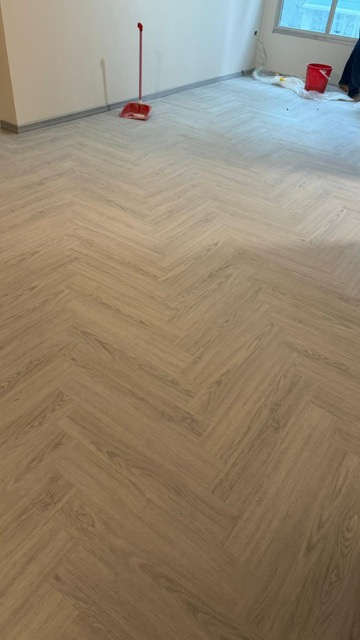
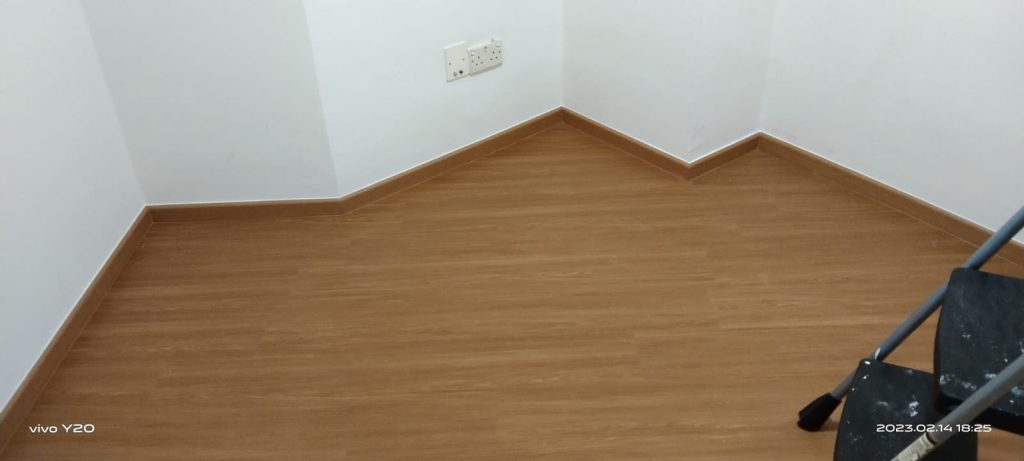
Vinyl Flooring for Different Rooms: Choosing the Best Vinyl Flooring
While vinyl flooring is versatile enough for any space, certain characteristics make specific types better suited for different rooms. Let’s break down the ideal choices for each area of your home.
Living Room: The Heart of Your Home
The living room is where you relax, entertain, and spend quality time with family. The flooring here should be beautiful, durable, and comfortable.
- Recommendation: Luxury Vinyl Planks (LVP) are an excellent choice. They offer the warm, inviting look of real wood without the susceptibility to scratches or water damage.
- Aesthetic Tip: Choose a color and grain that complements your furniture and overall decor. Lighter wood tones can make the space feel larger and more open, while darker shades create a cozier, more sophisticated atmosphere.
- Wear Layer: Since the living room sees moderate to high foot traffic, opt for a wear layer of at least 0.5mm (20 mil) for enhanced durability.
Kitchen: Where Durability Meets Style
The kitchen is a high-traffic area prone to spills, dropped utensils, and constant movement. Your flooring needs to be exceptionally durable, waterproof, and easy to clean.
- Recommendation: Luxury Vinyl Tiles (LVT) or high-quality LVP are perfect. LVT can mimic the look of premium stone or ceramic tiles, giving your kitchen a modern, high-end feel.
- Safety First: Look for vinyl flooring with a textured or embossed surface. This provides better slip resistance, which is crucial in an area where water spills are common.
- Maintenance: A key benefit of vinyl in the kitchen is its ease of cleaning. Most spills can be wiped away with a damp cloth, and the seamless surface prevents food crumbs from getting trapped.
Bedroom: Your Personal Sanctuary
Comfort is paramount in the bedroom. You want a floor that feels warm and pleasant underfoot when you wake up in the morning.
- Recommendation: Vinyl planks with an attached underlayment are ideal. The extra cushioning provides warmth and superior sound insulation, ensuring a quiet and serene environment.
- Health and Wellness: Consider options with low Volatile Organic Compounds (VOCs). Low-VOC vinyl flooring contributes to better indoor air quality, which is especially important in the room where you spend a third of your life.
- Style: Soft, muted wood tones can help create a calming and restful ambiance. Pair it with soft rugs for added texture and comfort.
Bathroom: The Ultimate Test of Water Resistance
The bathroom is the wettest room in the house, making waterproof flooring non-negotiable.
- Recommendation: 100% waterproof vinyl tiles or planks are the only way to go. They are impervious to moisture, preventing water from seeping into the subfloor and causing structural damage or mold growth.
- Design Options: LVT offers stunning stone and ceramic looks. You can achieve the aesthetic of a spa-like marble floor without the cold feel or grout maintenance.
- Installation: Ensure a professional installation to seal the perimeter and any seams properly, creating a completely watertight surface.
Make Your Vision a Reality
Choosing the right vinyl flooring is a significant step in creating a home that is both beautiful and functional. By considering the specific demands of each room—from the high-traffic kitchen to the tranquil bedroom – you can select a product that enhances your lifestyle and stands the test of time. The versatility, durability, and style of modern vinyl make it one of the smartest investments for any Singaporean home.
Ready to transform your home with beautiful, high-performance vinyl flooring? The team at Everyday Renovation has years of experience helping Singaporean homeowners find and install the perfect flooring solution. As a leading vinyl flooring installer and provider in Singapore, we are committed to quality craftsmanship and exceptional customer service.
Contact us today for a consultation and let us help you bring your vision to life.
FAQs: Your Vinyl Flooring Questions Answered
Here are answers to some common questions homeowners have when considering new flooring.
Is it okay to have different flooring in different rooms?
Absolutely! Using different flooring can help define separate zones within your home and cater to the specific needs of each room. For example, you might want a plusher feel in the bedroom and a more durable, waterproof surface in the kitchen. The key is to ensure the transitions are smooth and visually appealing.
How do you transition different flooring between rooms?
A smooth transition is crucial for a professional look. T-molding strips are commonly used to bridge the gap between two floors of the same height. If the floors have different heights, a reducer strip can create a gentle slope. Choosing transition strips that match one of the flooring materials helps create a cohesive look.
Which way should vinyl plank flooring run in multiple rooms?
A general rule of thumb is to run the planks parallel to the longest wall or main light source in the room. For a seamless flow through multiple rooms or an open-plan layout, it’s best to maintain a consistent direction throughout the space. This creates a sense of continuity and can make the area feel larger.
What is the rule of 3 flooring?
The “rule of 3” is a design guideline suggesting you should limit the number of different flooring types on one level of your home to a maximum of three. This helps maintain a sense of harmony and prevents the space from looking disjointed or chaotic. For example, you could use vinyl planks in the main living areas, tiles in the bathrooms, and another option for bedrooms.
What is better, laminate or vinyl?
Both are great options, but vinyl generally has the edge in wet areas. Laminate’s core is typically made of fiberboard, which can swell and warp with moisture exposure. Vinyl, being made of synthetic materials, is often fully waterproof. For kitchens, bathrooms, and homes in humid climates like Singapore, vinyl is often the more practical choice.
What is the 60-30-10 rule for flooring?
The 60-30-10 rule is a classic interior design principle for color. It dictates that 60% of the room should be a dominant color, 30% a secondary color, and 10% an accent color. While it’s primarily for wall paint and decor, you can apply it to your flooring by considering it part of the 60% base (along with walls) and choosing furniture and decor to fit the 30% and 10% slots.
How do you mix different flooring in a house?
To successfully mix flooring, stick to a cohesive color palette. Choose materials that share a similar undertone (warm or cool) to ensure they complement each other. Using a neutral flooring like a light wood-look vinyl throughout the main areas can provide a great base that pairs well with other materials in adjacent rooms.
What is the 70-20-10 rule in interior design?
This is a variation of the 60-30-10 rule, sometimes used for different applications. For instance, 70% of furniture might be in one style, 20% in another, and 10% as accent pieces. It’s all about creating a balanced yet interesting composition in your design.