
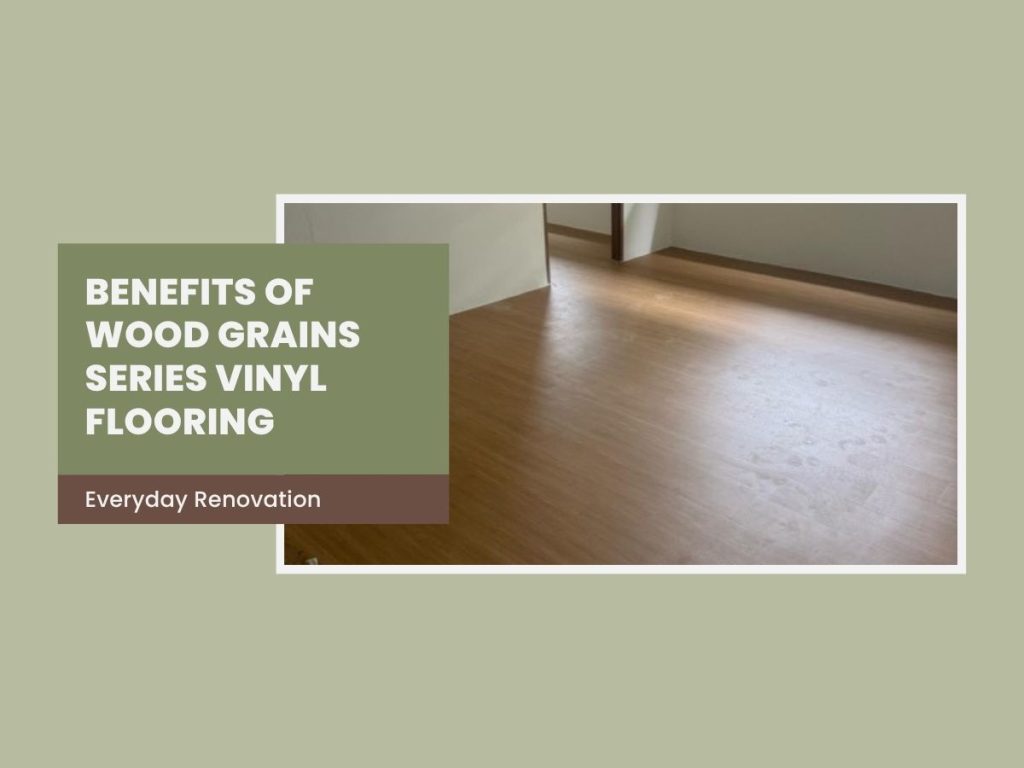
Choosing the right flooring can feel like a monumental decision. It sets the tone for your entire space, and it needs to withstand the demands of daily life. With the global vinyl flooring market valued at an impressive $55.58 billion in 2024 and projected to more than double by 2033, it’s clear that this material is a dominant force in modern interior design. Homeowners and businesses are moving away from traditional options and embracing innovative solutions that offer both style and substance.
Among the various types, wood grain vinyl flooring has emerged as a clear favorite. It beautifully captures the timeless elegance of natural hardwood while delivering practical benefits that real wood simply cannot match. In places like Singapore, where humidity and durability are major concerns, wood grain vinyl provides an ideal solution. This article explores the compelling advantages of wood grain vinyl flooring, helping you understand why it’s quickly becoming the go-to choice for savvy property owners worldwide.
What is Wood Grains Series Vinyl Flooring?
Wood grain vinyl flooring, often referred to as luxury vinyl tile (LVT) or vinyl wood planks, is a sophisticated, multi-layered flooring product engineered to replicate the look and feel of natural wood. Its remarkable realism is achieved through advanced manufacturing processes that combine high-definition imagery with textured surfaces. The result is a floor that is often indistinguishable from genuine hardwood but offers superior performance.
Construction and Layers
The durability and authentic appearance of wood grain vinyl flooring come from its multi-layer construction. Each layer serves a specific purpose:
- Wear Layer: This is the topmost transparent coating that protects the floor from scratches, stains, and fading. The thickness of the wear layer, typically measured in mils, determines the floor’s durability.
- Design/Print Layer: Situated just below the wear layer, this layer features a high-resolution photographic image of wood grain. Advanced printing technology allows for incredibly realistic patterns, knots, and color variations.
- Core Layer: The core provides the primary structure, stability, and water resistance of the plank. It’s often made from materials like Stone Plastic Composite (SPC) or Wood Plastic Composite (WPC), ensuring the plank remains rigid and does not warp.
- Backing Layer: The bottom layer provides cushioning, sound absorption, and added stability. It also acts as a barrier against moisture from the subfloor.
Types of Wood Grain Vinyl Flooring
Wood grain vinyl flooring is available in several formats, each suited for different applications and installation preferences.
- Luxury Vinyl Tile (LVT) / Planks (LVP): This is the most popular type, dominating the market with a 65.4% share in 2024. LVT comes in individual planks that mimic real wood boards. They often feature a click-lock system, making installation straightforward and DIY-friendly.
- Vinyl Sheet Flooring: This option comes in large, flexible rolls, allowing for a seamless installation with minimal joints. It’s an excellent choice for covering large areas quickly and is particularly effective in moisture-prone spaces like bathrooms and kitchens.
- Vinyl Composition Tile (VCT): While also available in tile format, VCT is typically used in commercial settings due to its high durability and lower cost. It’s composed of natural limestone, fillers, and color pigments.
Advanced Manufacturing Technology
The stunning realism of modern wood grain vinyl is no accident. Manufacturers employ cutting-edge technology to create a product that appeals to even the most discerning eye. High-definition photographic printing captures the subtle nuances of different wood species, while embossed-in-register (EIR) texturing aligns the surface texture with the visual grain pattern. This means you can feel the knots and grain, just like with real wood. Finally, a UV-cured urethane finish provides a robust protective seal against daily wear and tear.
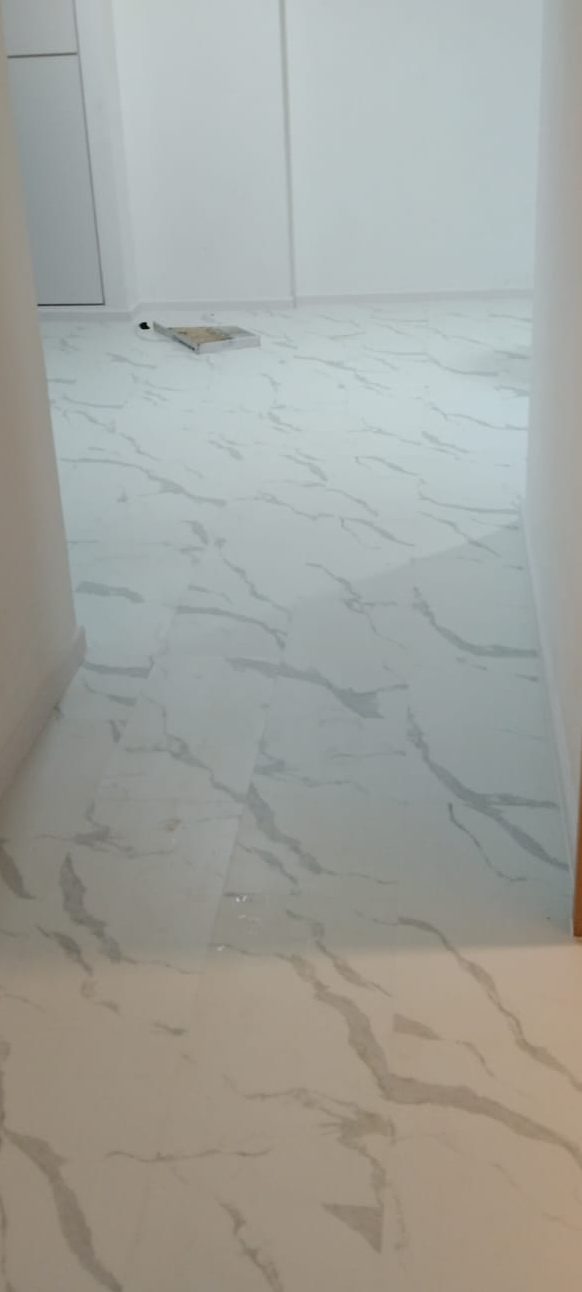
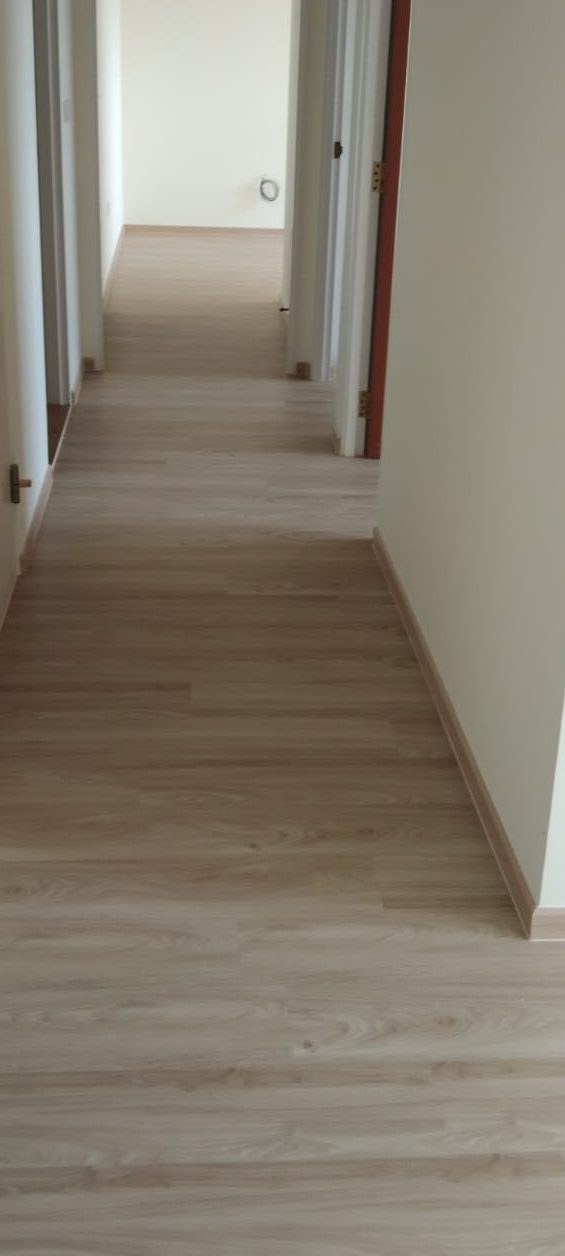
10 Compelling Benefits Wood Grain Vinyl Flooring the Smart Choice
With the residential segment accounting for 47% of the global vinyl flooring market, it’s clear homeowners are embracing this versatile material. Here are ten reasons why wood grain vinyl flooring is a superior choice for any home or business.
1. Authentic Hardwood Aesthetics at a Fraction of the Cost
The primary appeal of wood grain vinyl is its ability to mimic the luxurious appearance of natural hardwood. Whether you desire the classic look of oak, the rich tones of walnut, or the unique patterns of hickory, there’s a vinyl option to match. Advanced printing technology captures every detail, from subtle grain lines to rustic knots. This allows you to achieve a high-end look for 40-60% less than the cost of traditional hardwood, without limitations based on the rarity or hardness of the wood species.
2. Superior Water and Moisture Resistance
Unlike hardwood, which can warp, swell, or buckle when exposed to moisture, many wood grain vinyl flooring options are 100% waterproof. This makes it the perfect flooring for moisture-prone areas like kitchens, bathrooms, laundry rooms, and basements. For climates like Singapore’s, where high humidity is a constant, the waterproof nature of vinyl provides peace of mind and ensures the longevity of your floor.
3. Exceptional Durability and Longevity
Wood grain vinyl flooring is built to last. Its tough wear layer provides outstanding resistance to scratches, dents, and stains, making it an excellent choice for homes with pets, children, or heavy foot traffic. Commercial-grade options feature wear layers of 12-20 mil or more and meet stringent standards like the ASTM D3884 for abrasion resistance. The material is also stable in heat and light, meaning it won’t fade or discolor when exposed to direct sunlight.
4. Low Maintenance Requirements
One of the most significant advantages of vinyl flooring is its ease of maintenance. A simple routine of sweeping, vacuuming, or damp mopping is all that’s needed to keep it looking its best. There’s no need for the expensive and time-consuming sanding, waxing, or refinishing required for hardwood floors. The protective top layer resists stains, making spills easy to clean up and saving you time and money on upkeep.
5. Easy and Flexible Installation Options
Vinyl flooring offers a variety of installation methods to suit any project or skill level.
- Click-lock system: This floating floor system is incredibly DIY-friendly, as the planks simply click together without the need for adhesives.
- Glue-down method: For a more permanent installation, especially in commercial spaces, planks can be glued directly to the subfloor.
- Self-adhesive: Some vinyl tiles feature a peel-and-stick backing for a quick and easy application.
Vinyl can also be installed over most existing hard subfloors, including those with minor irregularities, further reducing installation time and costs.
6. Comfort and Noise Reduction
Compared to hard surfaces like tile or even hardwood, vinyl flooring is noticeably softer underfoot. This is due to its layered construction, which provides a slight cushioning effect. This added comfort can make a big difference in areas where you stand for long periods, like the kitchen. Vinyl also offers better thermal insulation, feeling warmer to the touch, and helps reduce ambient noise by absorbing the sound of footsteps.
7. Versatile Design Options
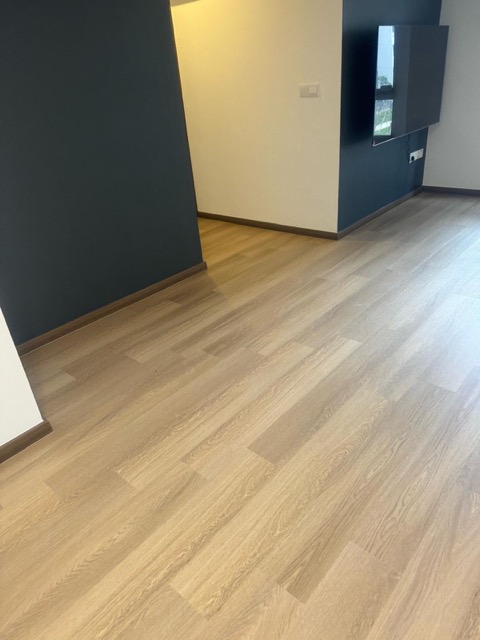
The design possibilities with wood grain vinyl are nearly endless. It comes in a vast range of wood species styles and colors, from light, airy maples to dark, dramatic walnuts. You can choose from multiple plank widths, including trendy extra-wide planks (8 inches or more), and various finishes like matte, brushed, or glossy. Whether your style is rustic farmhouse, sleek contemporary, or timeless traditional, there is a vinyl plank to match your vision.
8. Pet and Family-Friendly Features
For households with pets and children, wood grain vinyl flooring is a practical and stress-free choice. Its scratch-resistant surface holds up against pet claws, and its waterproof nature means accidents and spills are no cause for panic. The cushioned surface is kinder to little ones who may tumble, and unlike carpet, vinyl doesn’t trap allergens like dust, pollen, and pet dander, contributing to better indoor air quality. Many options also come with antimicrobial properties for added hygiene.
9. Eco-Friendly and Sustainable Options
The flooring industry has made significant strides in sustainability, and vinyl is no exception. Many products now contain recycled materials and are designed to be recyclable at the end of their life. Look for options with low VOC (Volatile Organic Compounds) emissions that are FloorScore certified, ensuring they contribute to healthier indoor air. These eco-friendly choices can also help projects earn points toward LEED certification and comply with standards like California Specification 01350.
10. Compatible with Underfloor Heating
For an extra touch of luxury and comfort, wood grain vinyl flooring works seamlessly with radiant underfloor heating systems. It conducts heat more effectively than hardwood and is dimensionally stable, so it won’t warp or gap with temperature changes. This makes it an energy-efficient solution for maintaining a comfortable environment, especially in homes with modern climate control systems.
How Wood Grain Vinyl Flooring Compares
To fully appreciate its value, it’s helpful to see how wood grain vinyl stacks up against other popular flooring choices.
Wood Grain Vinyl vs. Hardwood
- Cost: Vinyl is 40-60% more affordable than hardwood, both in material and installation.
- Moisture Resistance: Vinyl is waterproof, whereas hardwood is highly susceptible to water damage.
- Maintenance: Vinyl requires minimal cleaning, while hardwood needs regular, costly maintenance like refinishing.
- Durability: While hardwood can last longer with proper care, vinyl is more resistant to everyday scratches and dents.
Wood Grain Vinyl vs. Laminate
- Water Resistance: This is the key difference. Most vinyl is 100% waterproof, while laminate flooring has a fiberboard core that can be damaged by moisture.
- Durability: Both are durable, but vinyl often has better scratch and dent resistance.
- Comfort: Vinyl feels softer and quieter underfoot than the rigid surface of laminate.
Wood Grain Vinyl vs. Ceramic/Porcelain Tile
- Comfort: Vinyl is significantly warmer and softer underfoot than cold, hard tile.
- Installation: Vinyl is much faster and easier to install, with no need for grout or mortar.
- Repair: Replacing a damaged vinyl plank is a simple task, while replacing a cracked tile is a major job.
- Slip Resistance: The textured surface of wood grain vinyl provides better traction than smooth tile.
Ideal Applications for Wood Grain Vinyl Flooring
The versatility of wood grain vinyl makes it suitable for virtually any room in both residential and commercial settings.
Residential Applications
- Living Rooms and Bedrooms: Create a warm, inviting atmosphere with the beautiful look of wood.
- Kitchens, Bathrooms, and Laundry Rooms: Benefit from its 100% waterproof properties and easy cleanup.
- Basements: An excellent choice for below-grade installations where moisture can be an issue.
- Home Offices and Playrooms: Enjoy its durability and comfort in high-use areas.
Commercial Applications
The North American vinyl flooring market alone reached 392.83 million square meters in 2024, much of it for commercial use.
- Retail Stores and Offices: Withstand heavy foot traffic while maintaining a professional aesthetic.
- Healthcare and Educational Facilities: Its hygienic properties and low maintenance are ideal for these environments.
- Hospitality Venues: Offer the upscale look of hardwood in hotels and restaurants without the worry of spills and wear.
Getting the Most from Your Wood Grain Vinyl Flooring
Proper installation and maintenance are key to ensuring your new floor lasts for decades.
Professional Installation Considerations
While DIY installation is possible, professional installation ensures the best results and protects your warranty. A professional will properly prepare the subfloor, let the planks acclimate to the room’s temperature and humidity, and choose the correct installation method for your space.
Maintenance Best Practices
- Daily: Sweep or vacuum to remove dirt and debris that can scratch the surface.
- As needed: Damp mop with a pH-neutral cleaner. Avoid harsh chemicals, wax, or abrasive scrubbers.
- Protection: Use felt pads under furniture and place doormats at entrances to trap dirt.
- Spills: Wipe up spills immediately to prevent any potential for staining.
Investment and Return on Value
Wood grain vinyl flooring offers exceptional value for its cost.
- Budget-friendly options: $2-4 per square foot
- Mid-range quality: $4-7 per square foot
- Premium collections: $7-12+ per square foot
When you factor in lower installation costs and minimal long-term maintenance expenses, vinyl flooring provides a significant return on investment. Its durability reduces the frequency of replacement, and its beautiful appearance can even increase your home’s resale value.
Make the Smart Flooring Choice Today
Wood grain vinyl flooring successfully combines beauty, performance, and affordability. Its realistic aesthetics, unmatched durability, and practical benefits like water resistance make it clear why vinyl flooring has captured such a large share of the global market. For homeowners and businesses in Singapore, it offers a stylish and resilient solution that stands up to a tropical climate.
Don’t compromise between the look you want and the performance you need. With wood grain vinyl flooring, you truly can have it all.