
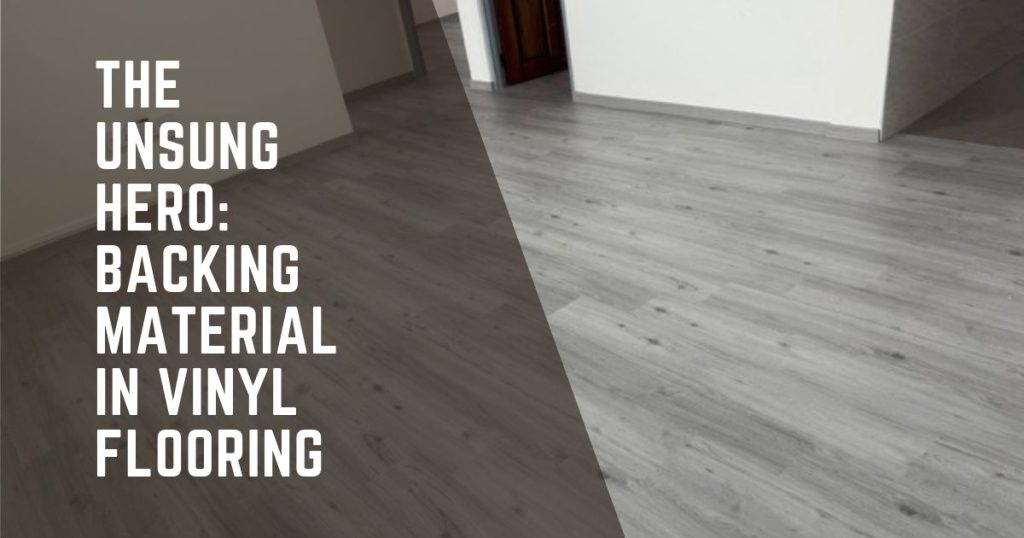
Did you know that 65% of vinyl flooring failures stem from improper backing material selection and installation errors? It’s a staggering number that most homeowners ignore until it’s too late.
The backing layer is the unsung hero of vinyl flooring – it determines everything from comfort and noise levels to durability and longevity. Most people just look at the color or the pattern, but the real magic happens underneath.
Discover how the right backing material can extend your floor’s lifespan by up to 10 years while reducing noise by 70%. Whether you stay in an HDB, Condo, or landed property, this layer is what stands between you and a peaceful home.
In this complete guide, we’ll walk you through the backing materials and explain why Everyday Renovation is Singapore’s trusted vinyl flooring installer service.
What is happening in the global vinyl flooring market?
Vinyl flooring isn’t just a trend in Singapore; it’s taking over the world. The global vinyl flooring market is projected to grow from $54.58 billion in 2024 to a massive $115.83 billion by 2035. That’s a Compound Annual Growth Rate (CAGR) of 7.08%.
Why the sudden boom? It’s simple. Homeowners are becoming smarter. They want flooring that looks like expensive hardwood but can tahan (withstand spills, scratches, and the intense Singapore humidity. Luxury vinyl tiles (LVT) and planks can now last up to 25 years if installed correctly. But here is the catch: the durability isn’t just about the top layer. If the backing fails, the whole floor fails.
Backing Material in Vinyl Flooring: How is a vinyl plank actually structured?
To understand why backing is important, you need to know what you are actually walking on. A high-quality vinyl plank is like a kueh lapis – it has layers, and each one serves a purpose.
- Wear Layer: The bodyguard. This clear top coating protects against scratches, stains, and fading.
- Vinyl Design Layer: The face. This is the high-resolution print that mimics wood, stone, or marble.
- Core Layer (SPC or WPC): The backbone. This rigid core gives the plank its stability and waterproof qualities.
- Backing Layer (Underlayment): The cushion. This is the bottom-most layer that touches your subfloor.
If you buy cheap vinyl from dubious sources, they might skip the backing layer or give you a paper-thin one. Don’t say we didn’t warn you!
Which backing material should you choose?
Not all backing is created equal. Different materials provide different feels and levels of protection. Here is the breakdown of the most common types you will find in Singapore showrooms.
Cork Backing
Cork is the atas (premium) choice. It is a natural material that offers excellent sound insulation and thermal properties. It feels firmer underfoot compared to foam, but still provides good shock absorption. Because it’s natural, it resists mold and mildew – a big plus in our humid climate. However, it usually costs more.
IXPE (Cross-Linked Polyethylene) Foam
This is the industry standard for high-quality SPC flooring. IXPE is a closed-cell foam that is 100% waterproof and impervious to mildew. It offers great sound absorption and is very durable. If you want something reliable that won’t break the bank, this is a solid choice.
EVA (Ethylene Vinyl Acetate) Foam
EVA is a bit more rubbery and provides a softer feel underfoot. It’s decent for noise reduction, but not as effective as IXPE or Cork. The downside? Over time, heavy furniture can compress the foam, causing it to lose its cushioning ability.
Rubber Backing
Rubber offers superior soundproofing and is incredibly durable. It creates a non-slip grip on the subfloor. However, it is heavy and can be expensive.
HDF (High-Density Fiberboard)
Avoid this if possible for moisture-prone areas. HDF is essentially wood fibers compressed with glue. While sturdy, if water seeps through (and in Singapore, humidity is everywhere), it can swell and ruin the floor.
SPC vs. WPC: Which core and backing combo is better?
When shopping for vinyl, you will hear “SPC” and “WPC” thrown around a lot. The backing material often depends on which core you choose.
SPC (Stone Plastic Composite):
- Core: Limestone powder + stabilizers.
- Feel: Harder and more rigid.
- Backing pairing: Usually paired with IXPE foam to compensate for the hardness of the core.
- Best for: High-traffic areas, commercial spaces, and Singapore’s humid weather (it doesn’t expand/contract much).
WPC (Wood Plastic Composite):
- Core: Wood flour + thermoplastics.
- Feel: Softer and warmer.
- Backing pairing: Often comes with cork or thicker foam for maximum comfort.
- Best for: Bedrooms or living rooms where you want that “shiok” comfortable feel.
Decision Matrix:
- If you have kids running around dropping toys? Go SPC with thick IXPE.
- If you want a quiet home office? Go WPC with Cork.
- If you are renovating a rental flat on a budget? Go SPC with EVA.
Why is the backing layer so important for your home?
The backing layer isn’t just there to look pretty (nobody sees it anyway). It does the heavy lifting for your home environment.
Sound Reduction
You know how sound travels in HDB flats? If your upstairs neighbor drags a chair, you hear it loud and clear. Quality backing material can reduce impact noise by 50-70%. A good backing acts as a sound dampener, making your footsteps sound like solid wood rather than hollow plastic clicks.
Moisture Resistance
Singapore’s weather is no joke. Humidity is high year-round. A waterproof backing (like IXPE) acts as a barrier, preventing moisture from the subfloor (concrete sweating) from reaching the core of your vinyl.
Thermal Insulation
While we don’t have winter, nobody likes stepping onto a cold floor in the morning when the air-con has been running all night. Backing provides a thermal break, making the floor comfortable to touch.
Subfloor Imperfections
If your subfloor is slightly uneven (common in older BTOs or resale flats), a flexible backing can help hide minor imperfections, preventing the planks from rocking or cracking.
Is your subfloor compatible with vinyl backing?
Before you even buy the vinyl, you must check your existing floor.
Concrete (Screed):
Common in BTOs. The surface must be smooth and dry. If the concrete has high moisture content, you need a backing that is 100% waterproof (IXPE) and possibly an additional moisture barrier sheet.
Ceramic Tiles:
Common in resale flats. You can usually overlay vinyl directly on tiles. A backing with good density is crucial here to prevent “telegraphing” -where the pattern of the grout lines starts showing through the vinyl over time.
Plywood/Wood Subfloor:
Ensure the wood is stable and not rotting. Breathable backing is preferred here to ensure moisture doesn’t get trapped and rot the wood underneath.
What are the most common mistakes homeowners make?
Don’t be gong (silly) and make these expensive mistakes.
- Ignoring the Backing entirely: Buying based on price alone. Cheap vinyl usually means cheap, paper-thin backing that disintegrates in 3 years.
- Installing over uneven floors: Even the best backing cannot save you if your floor looks like the surface of the moon. Level the floor first!
- Double padding: Some people think “more cushion is better” and add an extra soft underlay beneath pre-attached backing vinyl. Don’t do this. It makes the locking mechanism unstable, and the planks will separate.
- Not acclimatizing the planks: Vinyl needs to “get used to” your home’s temperature for 48 hours before installation.
- Using the wrong backing for the room: Using a non-waterproof backing in the kitchen or near the toilet entrance.
How do you select the right material for each room?
- Living Room: IXPE or Cork. Good balance of sound absorption and comfort for when guests come over.
- Kitchen: 100% Waterproof IXPE. Spills happen. You don’t want mold growing under your fridge.
- Bedroom: WPC with Cork or thick foam. Maximize comfort for bare feet.
- Home Gym: Rubber or high-density SPC. You need impact resistance for dropping weights.
What are the best practices for installation?
At Everyday Renovation, we follow a strict protocol to ensure your floor lasts.
- Site Inspection: We check moisture levels and floor evenness first.
- Prep Work: We fill grout lines and sand down high spots.
- Vapor Barrier: If installing on fresh concrete, we lay a moisture barrier.
- Installation: We leave the correct expansion gaps (vinyl expands with heat!) so your floor doesn’t buckle.
- Finishing: We use proper skirting to hide the gaps neatly.
How do you maintain your vinyl floors for longevity?
Vinyl is low maintenance, but not no maintenance.
- Sweep often: Dirt and sand act like sandpaper.
- Mop damp, not wet: Don’t flood the floor. Even waterproof vinyl has limits. The water can seep through the edges if you are unlucky.
- Use furniture pads: Heavy sofas can crush the backing layer over time. Put felt pads on the legs.
- Avoid harsh chemicals: Bleach can damage the wear layer. Stick to specialized vinyl cleaners.
How does vinyl backing compare to other materials?
Vinyl vs. Laminate:
Laminate usually uses a separate foam underlayment and is very sensitive to water. Vinyl with integrated IXPE backing is far superior for water resistance.
Vinyl vs. Hardwood:
Hardwood usually requires nailing or gluing down to plywood. It’s noisy. Vinyl with cork backing is much quieter and softer.
Vinyl vs. Carpet:
Carpet has the best backing for comfort, but is a nightmare for hygiene in Singapore (dust mites!). Vinyl offers a good middle ground-clean like tile, but softer like wood.
Why choose Everyday Renovation for your vinyl needs?
Renovation in Singapore can be a headache. Contractors disappear, workmanship is shoddy, and hidden costs pop up.
At Everyday Renovation, we pride ourselves on transparency and quality. We don’t just sell you “vinyl” – we help you choose the specific core and backing thickness that suits your lifestyle.
- Expert Consultation: We explain the specs so you know what you are paying for.
- Quality Materials: We only use vinyl with high-density IXPE or Cork backing.
- Skilled Installers: Our uncles have been laying floors for decades. Handwork steadily one.
Ready to upgrade your floor? Contact us today and let us settle everything for you.
Frequently Asked Questions
What is the best backing material for vinyl planks?
IXPE (Cross-linked Polyethylene) is widely considered the best overall for durability, sound absorption, and moisture resistance, especially for SPC flooring.
How does backing affect the durability of my floor?
A high-density backing prevents the planks from bending or cracking under heavy load and protects the locking mechanism from breaking due to subfloor unevenness.
Can I install vinyl with backing over existing tiles?
Yes, can! As long as the tiles are flat and secure. The backing helps cushion the vinyl so you don’t feel the grout lines of the tiles underneath.
What is the difference between WPC and SPC backing?
SPC usually uses thinner, denser IXPE foam to support its rigid core. WPC often uses thicker foam or cork because the core itself is softer and thicker.
How does backing prevent moisture damage?
Waterproof backing like IXPE acts as a barrier. It stops moisture from the subfloor (like cement sweating) from reaching the core and causing mold or swelling.
What is the optimal thickness for vinyl backing?
Generally, 1.5mm to 2mm is the sweet spot. Thicker isn’t always better; too soft, and the plank joints can break when you walk on them.
Why is subfloor preparation important for backing?
If the subfloor is uneven, the backing will compress unevenly. Over time, this causes the vinyl joints to open up or break (“telegraphing”).
How does cork compare to foam backing?
Cork is more eco-friendly and better for sound/thermal insulation, but costs more. Foam (IXPE) is cheaper, fully waterproof, and standard for SPC.
Does backing improve acoustic performance?
Yes, significantly. A quality backing can reduce impact sound (footsteps, dropping items) by up to 20 decibels, making your home much quieter.
What are safe moisture content levels for installation?
For concrete subfloors, moisture levels should generally be below 4-5%. If higher, a moisture barrier is needed even if the vinyl backing is waterproof.